
Watch Measurement Guide: Finding Your Perfect Fit
Navigating the world of wristwatches requires understanding sizing. This guide simplifies the process, covering everything from case diameter to strap width.
Find a comfortable and stylish fit!
Understanding Watch Size Terminology

Embarking on your watch-sizing journey requires familiarizing yourself with key terms. Case diameter, measured across the watch face, is the most frequently cited dimension, but it’s only part of the story. Lug-to-lug distance, the measurement from the tip of one lug to the other, dictates how the watch covers your wrist – a crucial factor for comfort and aesthetics.
Case thickness impacts how the watch sits on your wrist and prevents snagging. A thicker case can appear more substantial, while a slimmer profile offers a more streamlined feel. Don’t overlook the bezel, the ring surrounding the watch face; its size influences the perceived overall dimensions. Strap width, measured where the strap connects to the case, affects the watch’s balance and visual harmony. Finally, taper refers to how the strap narrows towards the clasp, impacting wearability and comfort.
Understanding these terms is the first step towards finding a watch that not only looks good but feels great too. Ignoring these details can lead to a watch that feels disproportionate or uncomfortable.
Case Diameter: The Primary Measurement
The case diameter is the most commonly referenced watch size, representing the width of the watch case itself. Typically measured in millimeters (mm), it’s a fundamental starting point when considering a watch’s proportions. Men’s watches generally range from 38mm to 46mm, though this isn’t a rigid rule. Historically, vintage timepieces for men often featured case diameters of 34-36mm, remaining a classic choice today.
However, relying solely on diameter can be misleading. A larger diameter doesn’t automatically equate to a larger-wearing watch. Factors like lug-to-lug distance and bezel size significantly influence perceived size. A watch with a large bezel can appear larger than one with a smaller bezel, even with the same diameter.
Generally, anything under 38mm is typically considered a women’s watch size, but personal preference and wrist size play a crucial role. Consider your wrist size and overall style when selecting a case diameter – it’s a key element, but not the whole picture.
Lug-to-Lug Distance: Crucial for Wrist Coverage
Lug-to-lug distance is often overlooked, yet it’s arguably more important than case diameter. This measurement defines the total length of the watch case, from the tip of one lug to the tip of the other. Lugs are the extensions where the watch strap or bracelet attaches.
Why is it crucial? Because it determines how much of your wrist the watch will actually cover. A watch with a large diameter but a short lug-to-lug distance might fit comfortably on a smaller wrist, while a watch with a moderate diameter and a long lug-to-lug distance could overhang the edges of a smaller wrist, appearing disproportionate and uncomfortable.
Ideally, the lug-to-lug distance should be slightly shorter than your wrist circumference. This ensures the watch sits securely and comfortably without feeling bulky or unstable. Ignoring this measurement can lead to a watch that simply doesn’t wear well, regardless of its diameter. Prioritize lug-to-lug for optimal fit!
Watch Case Thickness: Impact on Comfort
Watch case thickness significantly impacts daily wearability and comfort. It refers to the height of the watch, measuring from the back of the case to the highest point of the crystal. A thicker case isn’t inherently bad, but it can create issues depending on your wrist size and lifestyle.
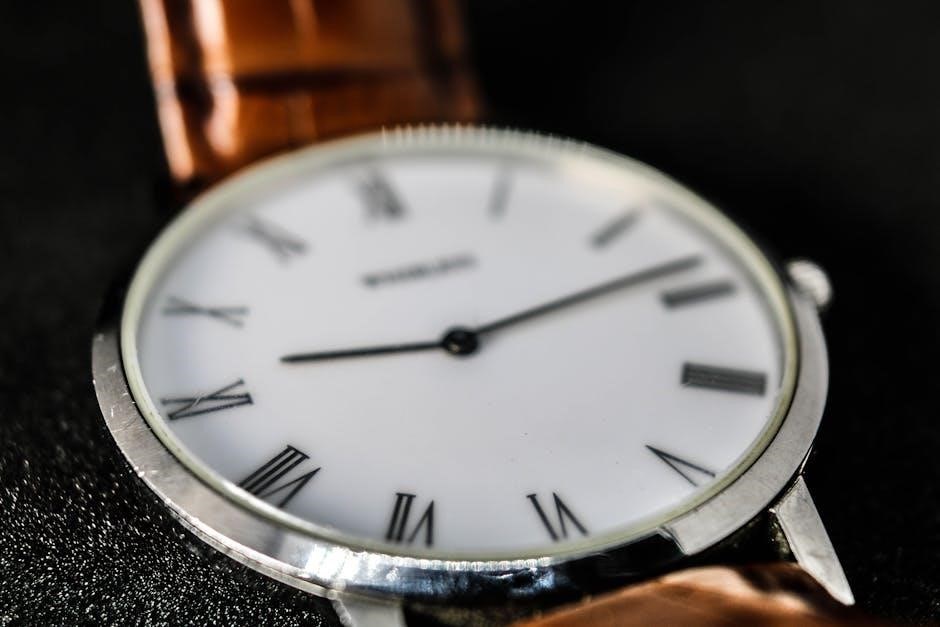
Thicker watches (over 13mm) can snag on shirt cuffs more easily and may feel bulky under long sleeves. They can also be less comfortable for those with smaller wrists, creating pressure points. Conversely, a thinner watch (under 10mm) generally slides under cuffs with ease and offers a more streamlined feel.
Consider your activities. If you work with your hands or engage in sports, a slimmer profile is often preferable. However, a thicker case can accommodate more complex movements and features. Finding the right balance between aesthetics, functionality, and comfort is key. Don’t underestimate the impact of thickness!
Bezel Size and its Influence on Perceived Size
The bezel, the ring surrounding the watch face, plays a surprisingly large role in how a watch appears to fit, even if the case diameter is moderate. A larger bezel can make a watch seem significantly bigger on the wrist than its actual measurements suggest. This is because it adds visual width and presence.
Watches with slim bezels, conversely, often appear smaller and more refined. They maximize the visible dial space, creating a cleaner look. The bezel’s design – whether it’s rotating, fixed, or decorated – also contributes to the overall perceived size. A bold, textured bezel will draw more attention and amplify the watch’s presence.
When assessing a watch’s size, don’t focus solely on the case diameter. Pay attention to the bezel’s width and style. A watch with a 42mm case and a substantial bezel might wear similarly to a 44mm watch with a thinner bezel. Consider how the bezel complements your wrist and personal style.
Wrist Size Measurement: A Step-by-Step Guide
Accurate wrist measurement is crucial for selecting a properly sized watch. Begin by using a flexible measuring tape – not a rigid ruler. Wrap the tape snugly around your wrist where you would normally wear a watch. Ensure the tape is comfortably snug, but not constricting.
Record the measurement in centimeters or inches. If using a string, mark the length on the string, then measure it with a ruler. For the most accurate result, have a friend assist you. Repeat the measurement a few times to confirm consistency.
It’s important to measure the same wrist you intend to wear the watch on. Wrist sizes can vary slightly between arms. Don’t pull the tape too tight, as this will result in an undersized measurement. A precise measurement is the foundation for finding your perfect watch fit, ensuring both comfort and style.
Using a Wrist Size Calculator
Wrist size calculators offer a convenient alternative to manual measurement, simplifying the process of finding your ideal watch size. These online tools typically require only your wrist circumference as input, eliminating the need for a measuring tape and a helper.
Simply enter your wrist measurement in either centimeters or inches, and the calculator will provide a personalized watch size recommendation. Many calculators consider factors beyond wrist size, offering suggestions based on your preferences and desired style.
However, remember that calculator results are estimates. Individual preferences vary, and factors like watch case shape and lug-to-lug distance also influence fit. Use the calculator as a starting point, but consider your personal comfort and aesthetic preferences when making your final decision. It’s a great tool for online shopping or gift-giving, minimizing the risk of returns!
Average Wrist Sizes for Men
Determining average wrist sizes is crucial for understanding where you fall within the spectrum and selecting a proportionally sized watch. While individual variation exists, a general guideline helps narrow down suitable options.

Most men’s wrists fall within the 6.5 to 8.5-inch range. A wrist measuring approximately 6.5 to 7 inches is considered small for a man, while 7.5 to 8 inches is average. Larger wrists, measuring 8 to 8.5 inches or more, are relatively common, particularly among individuals with broader builds.
Historically, men’s watches were often smaller, with 34-36mm cases being standard. Today, however, larger cases are prevalent, ranging from 38mm to 46mm. Understanding your wrist size allows you to navigate these options effectively, ensuring a comfortable and aesthetically pleasing fit. Remember these are averages, and personal preference plays a significant role!
Average Wrist Sizes for Women
Establishing average wrist sizes for women is essential for finding a watch that complements their wrist and style. Like men, there’s natural variation, but a general range provides a helpful starting point for selecting the appropriate size.
The typical wrist size for women falls between 5.5 and 6.5 inches. Many women have wrists around 6 inches, considered average. Smaller wrists, measuring 5.5 to 5.75 inches, are common, while larger wrists can extend to 6.75 inches or beyond.
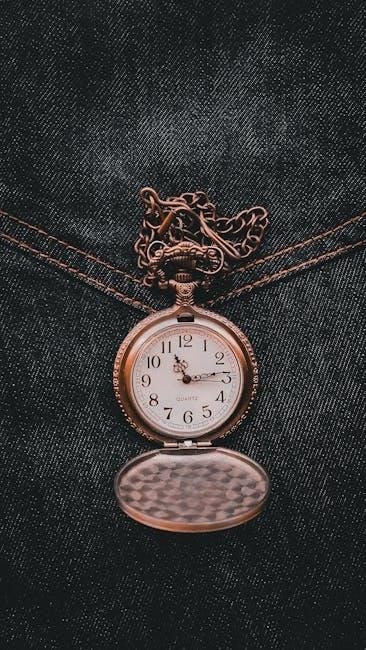
Traditionally, women’s watches were generally smaller than men’s, often under 30mm. However, contemporary trends show a growing preference for larger, more noticeable timepieces. A 26mm to 32mm case is often considered a good starting point for women, but larger sizes can be worn effectively depending on wrist size and personal taste. Considering these averages will help you find a watch that feels balanced and comfortable.
Watch Size Recommendations Based on Wrist Size
Determining the ideal watch size hinges on your wrist circumference. A balanced appearance is key – the watch shouldn’t overwhelm your wrist or look disproportionately small. Here’s a guide to help you navigate the options.

For wrists under 6 inches, watches in the 36mm to 38mm range generally provide the best fit. These sizes offer a classic and elegant look without appearing bulky. If your wrist measures 6 to 6.5 inches, a 38mm to 40mm watch is often a sweet spot, offering versatility and style.
Larger wrists, between 6.5 and 7.5 inches, can comfortably accommodate watches from 41mm to 44mm. For wrists exceeding 7.5 inches, watches 46mm and larger can create a bold statement. Remember, these are guidelines; personal preference plays a significant role. Consider lug-to-lug distance and case thickness for optimal comfort, regardless of diameter.
36mm Watches: Ideal for Smaller Wrists
A 36mm watch case is often considered the gold standard for those with smaller wrists, typically measuring under 6 inches in circumference. Historically, this size was a common choice for men, and remains a classic, elegant option today. It provides a proportional and comfortable fit, avoiding the appearance of a watch dominating the wrist.
These watches strike a balance between being noticeable and understated. They’re incredibly versatile, suitable for both casual and formal occasions. The smaller size doesn’t necessarily mean a lack of presence; many 36mm watches feature sophisticated designs and quality craftsmanship.
However, it’s important to note that modern trends lean towards larger sizes. If you prefer a bolder look, even with a smaller wrist, carefully consider the lug-to-lug distance to ensure comfort. A 36mm watch with longer lugs might not be ideal. Ultimately, it’s about finding a style that complements your individual aesthetic and wrist size.
38mm-40mm Watches: Versatile and Popular
The 38mm to 40mm range represents a sweet spot in watch sizing, offering exceptional versatility and broad appeal. These watches are generally considered suitable for a wide range of wrist sizes, typically between 6 to 7 inches. They strike a harmonious balance between classic proportions and contemporary style, making them a popular choice for both men and women.
This size category is incredibly adaptable, working well with various watch styles – from dress watches to field watches and even some divers. They aren’t overly imposing, yet still possess enough presence to be easily noticed. The versatility extends to strap options, accommodating leather, metal, and NATO straps with equal ease.
For those with average wrist sizes, a 38mm-40mm watch often feels “just right.” However, individual preference plays a significant role. If you prefer a more substantial feel, leaning towards the 40mm end of the spectrum might be preferable. Consider the overall case design and lug-to-lug distance for optimal comfort and visual balance.
41mm-44mm Watches: For Larger Wrists
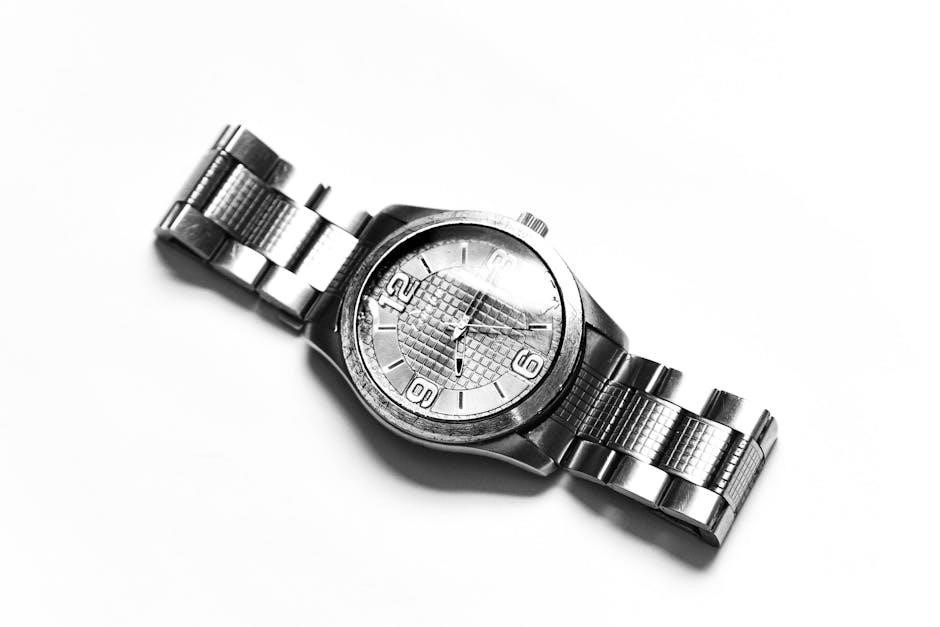
Watches in the 41mm to 44mm diameter range are generally best suited for wrists measuring 7 inches or greater. These sizes offer a bolder, more prominent look, appealing to those who prefer a substantial presence on their wrist. They’re particularly popular for sport watches, divers, and pilot-style timepieces, where a larger dial enhances legibility and overall aesthetic.
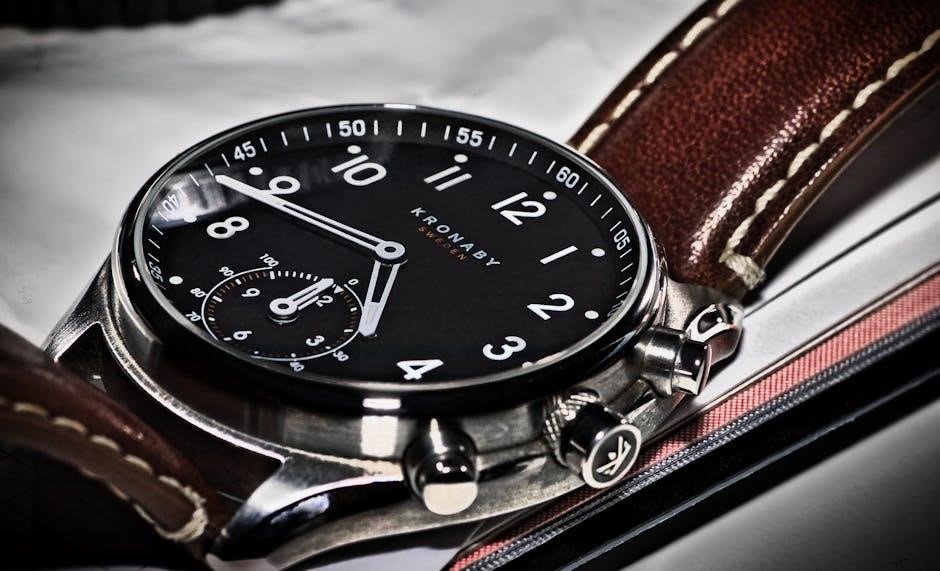
However, it’s crucial to consider lug-to-lug distance alongside case diameter. A larger case with excessively long lugs can overhang the wrist, creating an uncomfortable and unbalanced appearance. Ensure the lugs don’t extend beyond the edges of your wrist for a secure and visually pleasing fit.
While these sizes are ideal for larger wrists, they can still be worn by individuals with smaller wrists if the watch features a shorter lug-to-lug distance and a relatively slim profile. Ultimately, personal preference dictates the best size, but this range typically provides a confident and proportional look for those with more substantial wrists.
46mm+ Watches: Bold and Statement-Making
Watches exceeding 46mm in case diameter fall firmly into the category of bold, statement pieces. These timepieces are designed to command attention and are best suited for individuals with significantly larger wrists – typically 7.5 inches and above. They project confidence and a strong sense of style, often favored by those who appreciate a substantial presence.
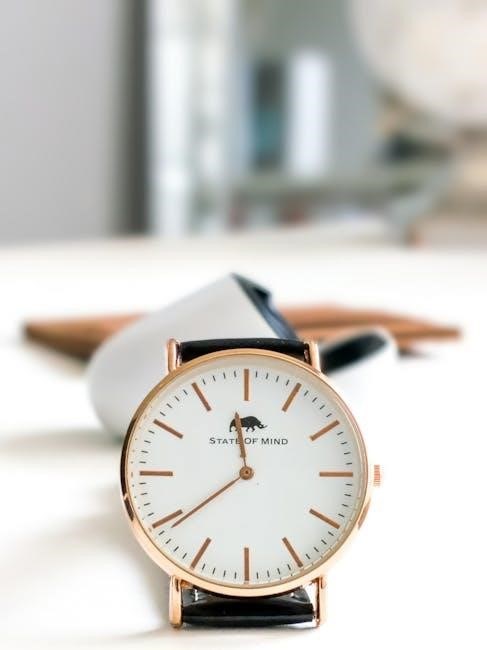
However, wearing a watch of this size requires careful consideration. Proportion is key; an oversized watch on a smaller wrist can appear overwhelming and unbalanced. Pay close attention to lug-to-lug distance, as excessive overhang can compromise comfort and aesthetics. A thicker case can also add to the perceived bulk.
These larger watches are frequently found in dive watches and pilot watches, where a larger dial aids readability and complements the robust design. While not for everyone, a well-chosen 46mm+ watch can be a striking addition to a watch collection, making a powerful and unforgettable impression.
Strap Width and Taper: Affecting Wearability
Strap width significantly impacts how a watch feels and appears on the wrist. A wider strap generally complements larger watches, providing visual balance and a secure fit. Conversely, a narrower strap might be more comfortable and aesthetically pleasing on smaller timepieces.
Taper refers to how the strap narrows from the lug to the buckle. A pronounced taper can make a watch wear smaller and more refined, creating a sleeker profile. Straps with little to no taper maintain a consistent width, often lending a more robust and sporty look.
The relationship between strap width and lug width is crucial. The strap must properly fit between the lugs without excessive gaps. Consider how the strap’s end links integrate with the case. A well-integrated strap enhances comfort and overall aesthetics. Don’t underestimate the power of a strap change to alter a watch’s perceived size and style!
Solo Loop Sizing Considerations
Solo Loop straps, with their continuous, buckle-free design, demand precise sizing. Unlike traditional straps, adjustments are limited once purchased, making accurate measurement critical. Apple provides a printable sizing tool and encourages using a paper measurement method, but these aren’t always foolproof.
Accurate wrist measurement is paramount. Measure your wrist as you would for a traditional watch, but add extra allowance for comfortable movement. Many users report discrepancies between the Apple sizing tool recommendations and their ideal fit, often requiring multiple attempts to find the correct size.
Consider swelling – wrists can fluctuate in size throughout the day. Choose a size that accommodates these changes. A slightly looser fit is preferable to one that feels constricting. Remember, a size ‘1’ doesn’t directly correlate to a specific wrist circumference; it’s a relative sizing within the Solo Loop system.
Vintage Watch Sizes: A Historical Perspective
Historically, watch sizes have evolved significantly. In the mid-20th century, men’s watches commonly ranged from 34mm to 36mm – a size considered quite substantial for today’s standards. This was a period prioritizing elegance and understated style over bold presence.
As tastes shifted, particularly in the late 20th and early 21st centuries, larger watches gained popularity. The trend towards bigger cases reflected a desire for more noticeable and robust timepieces. However, this doesn’t invalidate the appeal of vintage sizing.
Today, many enthusiasts appreciate the charm and wearability of vintage watches. A 36mm vintage watch can often wear larger due to its slimmer profile and lack of bulky lugs. When considering a vintage piece, focus on how it fits your wrist, rather than adhering to modern size expectations; Understanding this historical context helps appreciate the evolution of watch design and find a style that suits you.
Printable Watch Size Guide for Visual Reference
Visualizing watch sizes can be challenging when shopping online or without trying them on. To aid in your selection, a printable watch size guide is an invaluable tool. This guide typically features outlines of various watch case diameters – from 36mm to 46mm and beyond – allowing you to physically compare them to your wrist;
Simply print the guide at 100% scale (ensure your printer settings are correct!). Then, place the outlines on your wrist to get a realistic sense of how different sizes will appear. This method helps determine if a particular diameter will look proportionate and comfortable.
Many online retailers and watch blogs offer free, downloadable printable guides. These resources often include illustrations of lug-to-lug distance as well, providing a more comprehensive visual reference. Utilizing this tool minimizes the risk of purchasing a watch that’s either too large or too small for your wrist, saving you time and potential return shipping costs.
Avoiding Common Sizing Mistakes
A frequent error is focusing solely on case diameter. While important, it doesn’t tell the whole story. Lug-to-lug distance is crucial; a longer lug-to-lug can cause overhang, making the watch uncomfortable and visually disproportionate. Similarly, ignoring case thickness can lead to a bulky feel, especially with thicker watches.
Another mistake is assuming larger wrists always require larger watches. A 40mm watch can look perfectly balanced on a larger wrist, depending on style and personal preference. Conversely, smaller wrists can sometimes handle a 42mm watch if the lug design is well-executed.
Don’t rely solely on wrist size calculators. They offer a starting point, but individual wrist shape and preferences vary. Always consider the bezel size, as it adds to the perceived diameter. Finally, remember strap width and taper influence wearability – a wider strap can make a watch appear larger. Prioritize trying on watches whenever possible!
Resources for Further Research and Comparison
For in-depth analysis and community discussions, explore watch forums like Watchuseek and Reddit’s r/Watches. These platforms offer user reviews, sizing experiences, and comparisons across various brands and models. Websites dedicated to watch reviews, such as Hodinkee and Worn & Wound, provide detailed assessments, including fit observations.
Brand websites often feature sizing guides and virtual try-on tools. Apple’s website, for example, offers a solo loop sizing tool, though accuracy can vary. Many retailers, including Jomashop and Crown & Caliber, provide detailed specifications and high-resolution images to aid your decision.
YouTube channels like WristwatchReview and Teddy Baldassarre offer visual demonstrations of watches on different wrist sizes. Utilize printable watch size guides (available online) to visually compare case dimensions. Remember to cross-reference information and consider multiple sources before making a purchase.