
System Administrator Roles and Responsibilities
System administrators expertly plan, implement, and maintain crucial server and network infrastructures, alongside diverse IT projects, ensuring optimal operational stability․
System administration is a cornerstone of modern IT operations, demanding a broad skillset and a proactive approach to maintaining a stable and secure computing environment․ These professionals are fundamentally responsible for the reliable operation of computer systems, servers, and networks within an organization․ Their duties encompass a wide spectrum, from initial system configuration and ongoing maintenance to robust security implementation and swift troubleshooting․
A successful system administrator ensures that internal systems and external connections remain consistently stable and secure, safeguarding critical data and enabling seamless productivity․ They are pivotal in diagnosing and resolving IT-related issues, often acting as the first line of defense against system faults and security breaches․ This role requires a deep understanding of operating systems, networking protocols, and security best practices, alongside excellent problem-solving abilities and a commitment to continuous learning․
Core Responsibilities Overview
Core responsibilities of a System Administrator are multifaceted, centering around maintaining the health and security of an organization’s IT infrastructure․ This includes configuring and maintaining internal servers, meticulously managing DNS settings, and diligently overseeing firewalls, routers, and switches to ensure network stability․ A key aspect involves proactively resolving IT-related issues with efficiency and expertise, swiftly diagnosing and troubleshooting system faults to minimize downtime․
Furthermore, System Administrators are entrusted with maintaining the integrity, performance, and efficiency of database systems․ They are also responsible for implementing and overseeing IT projects, often collaborating with external consultants․ Crucially, they must create and maintain comprehensive system documentation, ensuring knowledge transfer and facilitating future maintenance and upgrades․ Ultimately, their work is critical to the reliable operation of any network operations center and data center․

Infrastructure Management
Effective infrastructure management involves expertly designing, installing, and configuring internal systems, ensuring seamless operation and robust performance for the entire organization․
Server Configuration and Maintenance
Server configuration and maintenance represent a cornerstone of the system administrator’s role, demanding meticulous attention to detail and proactive management․ This encompasses the initial setup of servers, including operating system installation, software configuration, and the establishment of robust security protocols․ Ongoing maintenance is equally critical, involving regular updates, patching to address vulnerabilities, and performance monitoring to ensure optimal functionality․
Administrators are responsible for capacity planning, anticipating future needs and scaling server resources accordingly․ They also implement and manage virtualization technologies, optimizing resource utilization and enhancing system flexibility․ Furthermore, diligent log analysis is essential for identifying potential issues and proactively resolving them before they impact users․ Effective server management directly translates to increased system reliability, improved performance, and a secure computing environment for the entire organization․ This proactive approach minimizes downtime and maximizes productivity․
Network Device Management (Routers, Switches, Firewalls)
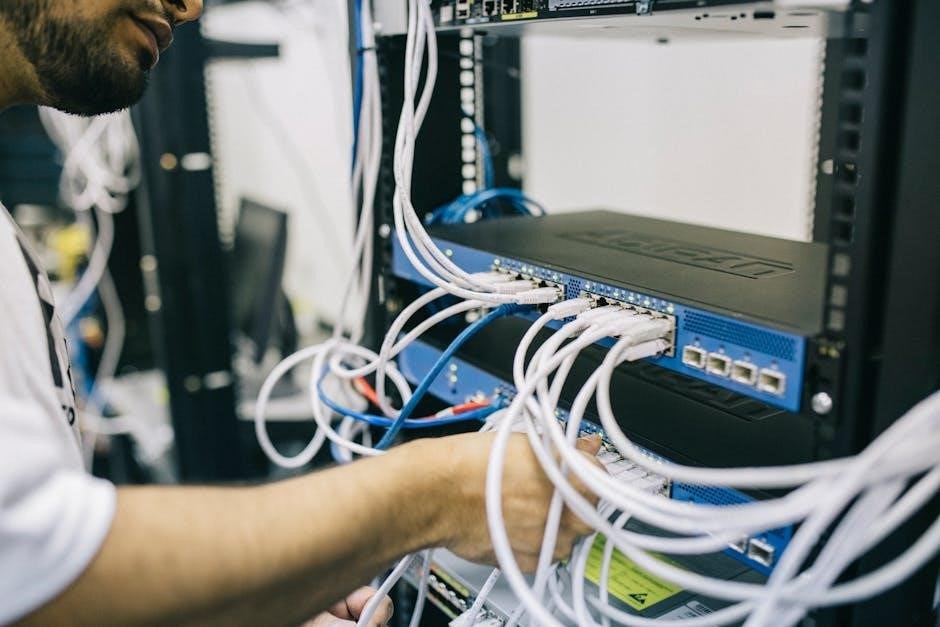
Network device management is a pivotal responsibility, requiring system administrators to expertly configure, maintain, and monitor routers, switches, and firewalls – the essential components of a robust network infrastructure․ This involves implementing and managing network security policies, ensuring data integrity and protecting against unauthorized access․ Administrators configure routing protocols, manage VLANs, and optimize network performance for seamless communication․
Regularly updating firmware and security patches on these devices is crucial to mitigate vulnerabilities․ Proactive monitoring of network traffic and device logs allows for the swift identification and resolution of potential issues․ Furthermore, administrators are responsible for troubleshooting network connectivity problems, diagnosing performance bottlenecks, and ensuring high availability․ A well-managed network is fundamental to business operations, and skilled administration guarantees a stable and secure connection for all users․
DNS Settings and Management
DNS settings and management are critical tasks for system administrators, ensuring seamless translation between domain names and IP addresses, enabling users to access online resources efficiently․ This involves configuring and maintaining DNS servers, creating and managing DNS records (A, MX, CNAME, etc․), and troubleshooting DNS resolution issues․ Administrators must ensure DNS records are accurate and up-to-date to prevent service disruptions․
Security is paramount; administrators implement DNSSEC to protect against DNS spoofing and cache poisoning attacks․ Regular monitoring of DNS server performance and logs is essential for identifying and resolving potential problems․ They also manage DNS propagation, ensuring changes are reflected across the internet promptly․ Effective DNS management is fundamental for reliable network connectivity and a positive user experience, requiring diligent attention and expertise․

Security Management
Security management centers around maintaining system integrity, configuring firewalls, and diligently applying security patches to proactively defend against evolving cyber threats․
Maintaining System Security and Integrity
Ensuring robust system security and data integrity is a paramount responsibility for system administrators․ This involves a multifaceted approach, beginning with proactive vulnerability assessments and the immediate application of critical security patches to address identified weaknesses․ Regularly monitoring systems for suspicious activity and potential breaches is crucial, utilizing intrusion detection systems and security information and event management (SIEM) tools․
Administrators must implement and enforce strong password policies, multi-factor authentication, and access control lists to restrict unauthorized access to sensitive data and systems․ Data encryption, both in transit and at rest, is essential for protecting confidentiality․ Furthermore, staying abreast of the latest security threats and best practices through continuous learning and professional development is vital․ A comprehensive security strategy, coupled with diligent monitoring and proactive measures, safeguards the organization’s valuable assets and maintains operational resilience․
Firewall Configuration and Monitoring
Effective firewall configuration and vigilant monitoring are cornerstones of network security, falling squarely within the system administrator’s domain․ This begins with the initial setup and rule creation, meticulously defining allowed and blocked traffic based on organizational security policies․ Administrators must configure firewalls to inspect incoming and outgoing network packets, preventing unauthorized access and malicious activity․
Continuous monitoring of firewall logs is essential for identifying potential threats, suspicious patterns, and policy violations․ Regular rule reviews and updates are crucial to adapt to evolving security landscapes and emerging vulnerabilities․ Utilizing firewall management tools and security information and event management (SIEM) systems enhances visibility and streamlines incident response․ Proactive firewall management ensures a robust defense against cyberattacks, protecting sensitive data and maintaining network integrity․
Security Patch Management
Proactive security patch management is a vital responsibility for system administrators, safeguarding systems against known vulnerabilities․ This involves regularly identifying, testing, and deploying security patches released by software vendors․ A systematic approach includes monitoring security advisories, assessing patch relevance, and prioritizing deployments based on risk severity․
Before widespread implementation, patches should be thoroughly tested in a non-production environment to prevent compatibility issues or unintended consequences․ Automated patch management tools can streamline the process, ensuring timely updates across the infrastructure․ Maintaining a comprehensive patch inventory and documenting all patching activities is crucial for auditability and compliance․ Effective patch management significantly reduces the attack surface, minimizing the risk of exploitation and data breaches․

Troubleshooting and Support
System administrators efficiently resolve IT issues, expertly diagnose system faults, and provide crucial technical support to end-users, ensuring seamless productivity․
Resolving IT-Related Issues
A core function of the system administrator is the swift and effective resolution of IT-related issues impacting users and organizational operations․ This encompasses a broad spectrum of problems, ranging from simple software glitches and account lockouts to complex network connectivity failures and application errors․ Administrators must possess strong analytical skills to quickly identify the root cause of these issues, utilizing diagnostic tools and established troubleshooting methodologies․
Effective resolution often requires a systematic approach: gathering detailed information from the user, replicating the problem if possible, isolating the affected component, implementing a solution (which may involve temporary workarounds or permanent fixes), and thoroughly testing the resolution before deployment․ Prioritization is key, with critical issues impacting a large number of users or essential business functions taking precedence․ Furthermore, documenting each issue and its resolution contributes to a valuable knowledge base for future reference and proactive problem prevention, ultimately enhancing overall system stability and user satisfaction․
Diagnosing and Troubleshooting System Faults
System administrators are pivotal in diagnosing and rectifying system faults, ensuring uninterrupted organizational productivity․ This demands a methodical approach, beginning with meticulous data gathering – examining system logs, error messages, and performance metrics to pinpoint anomalies; Utilizing specialized diagnostic tools is crucial, allowing administrators to delve into system behavior and identify the source of the problem, whether hardware-related, software-based, or network-induced․
Troubleshooting often involves isolating the fault, testing potential solutions in controlled environments, and implementing corrective actions․ A deep understanding of operating systems, networking protocols, and application dependencies is essential․ Effective administrators don’t just fix the immediate issue; they analyze the root cause to prevent recurrence․ Detailed documentation of the fault, diagnosis process, and resolution is paramount, building a knowledge base for future incidents and contributing to proactive system maintenance, ultimately bolstering overall system resilience․
Providing Technical Support to End-Users
A crucial aspect of a system administrator’s role is delivering effective technical support to end-users․ This extends beyond simply resolving immediate issues; it involves clear communication, patience, and a user-centric approach․ Administrators act as the primary point of contact for IT-related problems, ranging from password resets and software glitches to complex hardware failures․ Responsiveness is key, ensuring minimal disruption to user workflows․
Providing support necessitates translating technical jargon into understandable terms, empowering users to resolve simple issues independently․ Administrators often create and maintain knowledge base articles, FAQs, and training materials to facilitate self-service․ Beyond reactive support, proactive communication regarding system updates, security alerts, and best practices enhances user awareness and minimizes potential problems․ Ultimately, excellent technical support fosters user satisfaction and maximizes the organization’s IT investment․

Database Management
System administrators maintain database system performance, ensuring integrity and security, while proactively addressing efficiency concerns for optimal data handling․

Maintaining Database System Performance
Database performance is a critical aspect of a system administrator’s role, demanding proactive monitoring and optimization techniques․ This involves regularly analyzing database query performance, identifying bottlenecks, and implementing solutions like index tuning and query rewriting to enhance speed and efficiency;
Administrators are responsible for capacity planning, ensuring sufficient resources – including storage, memory, and processing power – are allocated to the database system to handle current and future workloads․ Routine maintenance tasks, such as database backups, integrity checks, and statistical updates, are also essential for maintaining optimal performance and preventing data loss․
Furthermore, system administrators collaborate with developers to optimize database interactions within applications, ensuring efficient data access patterns․ They also leverage database performance monitoring tools to identify trends, predict potential issues, and proactively address them before they impact users․ A well-maintained database directly contributes to the overall stability and responsiveness of the entire system․
Database Integrity and Security
Maintaining database integrity and security is paramount for any system administrator, safeguarding sensitive data against unauthorized access, corruption, or loss․ This involves implementing robust access control mechanisms, granting permissions based on the principle of least privilege, and regularly auditing user activity to detect suspicious behavior․
Administrators are responsible for configuring and enforcing database security policies, including password complexity requirements, encryption of data at rest and in transit, and protection against common database vulnerabilities like SQL injection․ Regular security patching is crucial to address newly discovered threats and maintain a secure database environment․
Furthermore, implementing comprehensive backup and recovery procedures is essential for ensuring data can be restored in the event of a disaster or system failure․ Data validation and consistency checks are also performed to guarantee the accuracy and reliability of the information stored within the database, upholding its overall integrity․

Project Implementation and Oversight
System administrators skillfully plan and implement IT projects, meticulously overseeing server and network infrastructure upgrades for seamless integration and optimal performance․
Planning and Implementing IT Projects
System administrators are pivotal in the lifecycle of IT projects, beginning with meticulous planning phases that define scope, resources, and timelines․ This involves collaborating with stakeholders to understand business needs and translating them into technical specifications․ Implementation requires skillful execution, encompassing hardware and software deployment, configuration, and rigorous testing to ensure functionality and compatibility within the existing infrastructure․
Successful project completion demands proactive risk management, anticipating potential challenges and developing mitigation strategies․ Documentation is paramount, detailing configurations, procedures, and troubleshooting steps for future reference and knowledge transfer․ Post-implementation, administrators monitor performance, address any emerging issues, and refine the system based on user feedback and evolving requirements․ They ensure projects align with organizational goals, delivering tangible value and enhancing operational efficiency․
Overseeing Server and Network Infrastructure Projects
System administrators take a leading role in overseeing complex server and network infrastructure projects, ensuring seamless integration and optimal performance․ This involves coordinating with various teams – including network engineers, security specialists, and vendors – to manage project timelines, budgets, and resource allocation effectively․ They meticulously monitor project progress, identifying and resolving potential roadblocks to maintain momentum․
A critical aspect is ensuring adherence to established security protocols and compliance standards throughout the project lifecycle․ Administrators validate configurations, conduct thorough testing, and implement robust monitoring systems to proactively identify and address performance bottlenecks or vulnerabilities; Post-implementation, they provide ongoing support, perform regular maintenance, and adapt the infrastructure to meet evolving business demands, guaranteeing reliability and scalability․

Collaboration and Documentation
System administrators frequently collaborate with external consultants, and are responsible for creating and maintaining detailed system documentation for future reference․
Working with External Consultants
System administrators often engage with external consultants for specialized projects or to augment internal expertise, requiring effective communication and collaboration skills․ This involves clearly defining project scopes, outlining technical requirements, and facilitating knowledge transfer․ Successful collaboration necessitates a thorough understanding of the consultant’s deliverables and ensuring alignment with the organization’s IT strategy․
Administrators must effectively manage consultant access to sensitive systems, adhering to strict security protocols and maintaining oversight of their activities․ Regular progress meetings and detailed documentation are crucial for tracking milestones and addressing any challenges that may arise․ Furthermore, system administrators play a key role in evaluating the consultant’s performance and ensuring the successful integration of their solutions into the existing infrastructure․ This collaborative approach maximizes the value derived from external expertise while maintaining system integrity and security․
Creating and Maintaining System Documentation
System administrators are fundamentally responsible for comprehensive system documentation, a critical aspect often overlooked but vital for operational efficiency and disaster recovery․ This documentation encompasses network diagrams, server configurations, software installations, and detailed troubleshooting procedures․ Accurate and up-to-date documentation facilitates seamless knowledge transfer, enabling other IT personnel to effectively manage and maintain the infrastructure․

Maintaining this documentation requires a proactive approach, updating it whenever changes are made to the system․ Clear, concise, and well-organized documentation minimizes downtime during incidents and simplifies future upgrades or migrations․ It also serves as a valuable resource for training new team members and ensuring consistency across the IT department․ Robust documentation is a cornerstone of a well-managed and resilient IT environment, safeguarding against potential disruptions and promoting long-term stability․