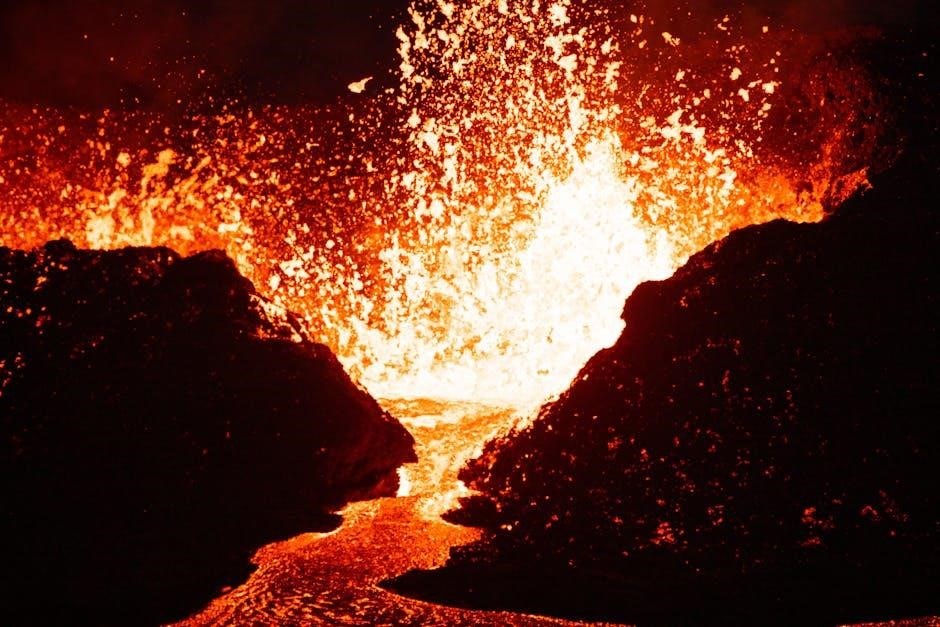
A Comprehensive Guide to Lava Lamps (Updated February 26, 2026)
This guide explores the fascinating world of lava lamps, detailing their history, science, maintenance, and a surprising connection to preciseRF HG3 stepper mag loop antennas!
Discover everything from troubleshooting common issues to understanding the advanced features of these iconic and mesmerizing lighting fixtures, updated as of today’s date.
What is a Lava Lamp?
A lava lamp is a decorative accent light, typically consisting of a glass container filled with a translucent liquid, and containing blobs of colored wax.
These lamps create a mesmerizing visual effect as the wax rises and falls within the liquid, driven by heat and density differences. Originally marketed as “Astro Lamps” in the 1960s, they quickly became a symbol of the psychedelic era.
Beyond their aesthetic appeal, lava lamps represent a unique blend of art, science, and nostalgia. They aren’t merely lights; they’re captivating displays that offer a calming and intriguing ambiance. The precise composition of the wax and liquid remains largely a trade secret among manufacturers, contributing to their enduring mystique.
Today, lava lamps continue to be popular, available in various sizes, colors, and designs, appealing to a wide range of tastes.
A Brief History of Lava Lamps
The story begins in 1963 with British accountant Edward Craven Walker, who conceived the idea while observing an egg timer. He initially marketed his creation as the “Astro Lamp” in the UK, gaining traction at trade shows.
In 1964, two American entrepreneurs, Adolph Wertheimer and Hynde Hyndman, secured US distribution rights, renaming them “Lava Lamps.” They quickly became a cultural phenomenon, perfectly embodying the 1960s counterculture movement.
Production peaked in the late 1960s and early 1970s, but declined with changing trends. However, lava lamps experienced a resurgence in popularity in the late 1990s and continue to be manufactured today.
The lamps’ enduring appeal lies in their retro charm and captivating visual display, making them a timeless decorative item.
How Lava Lamps Work: The Science Behind the Flow
Lava lamps operate on principles of convection and density. The wax mixture at the bottom is denser than the surrounding liquid at room temperature. A heating element, traditionally an incandescent bulb, warms the wax.
As the wax heats, it expands, becoming less dense and rising through the liquid. Reaching the top, it cools, becomes denser again, and descends. This creates the mesmerizing “lava” flow.
The liquid’s composition is crucial; it must have a specific density and viscosity to facilitate this cycle. The precise recipe remains a closely guarded secret by manufacturers.
Modern LED lava lamps utilize a different heating mechanism, but the core principles of convection and density remain the driving force behind the captivating movement.
The Core Components of a Lava Lamp
A lava lamp comprises five essential parts working in harmony. First, the glass bottle houses the entire process, providing a visual container. Next, the unique wax mixture – a proprietary blend – creates the flowing “lava” effect.
The liquid, typically water-based, surrounds the wax, enabling density differences crucial for convection. A heating element (bulb or LED) provides the necessary warmth to initiate the flow.
Finally, the base and cap offer structural support and contain the electrical components. Each component’s quality and interaction directly impact the lamp’s performance and longevity.
The Glass Bottle
The glass bottle is more than just a container; it’s integral to the lava lamp’s aesthetic and function. Typically crafted from borosilicate glass, it withstands the thermal stresses caused by the heating element and wax expansion.
Its shape influences the lava flow patterns, with classic designs favoring taller, narrower forms for elongated blobs. The glass must be perfectly clear to showcase the mesmerizing movement within.
Quality bottles resist cracking or shattering from heat, ensuring safe operation. Variations in bottle design contribute to the diverse styles of lava lamps available, impacting the overall visual experience.
The Wax Mixture
The wax mixture is the heart of the lava lamp’s captivating display. Manufacturers guard their precise recipes closely, but it’s generally a blend of paraffin wax and tetrachloroethylene. This combination achieves the crucial density difference needed for the lava effect.
The wax is formulated to melt at a specific temperature, determined by the lamp’s wattage. Coloring agents are added to create vibrant, eye-catching blobs.
The wax’s viscosity and density are carefully balanced to ensure smooth, flowing movement. Subtle variations in the mixture impact the blob size, speed, and overall visual appeal of the lamp.
The Liquid (Water-Based Solution)

The liquid surrounding the wax is primarily a water-based solution, but it’s far from simple tap water. It typically includes ingredients like water, mineral oil, and sometimes glycol. These components are crucial for achieving the correct density and surface tension.
The liquid’s density must be slightly higher than the wax when cool, allowing the wax to sink. As the lamp heats, the wax becomes less dense and rises. The clarity of the liquid is also important for optimal viewing.
Manufacturers carefully control the liquid’s composition to prevent clouding and ensure long-term stability, contributing to the lamp’s mesmerizing flow.
The Heating Element (Incandescent Bulb/LED)
Traditionally, lava lamps utilized incandescent bulbs as their heat source, positioned directly beneath the glass bottle. These bulbs generate the necessary warmth to create convection currents within the lamp.
However, modern lava lamps increasingly employ LED technology. LEDs offer several advantages, including lower energy consumption, reduced heat output, and a longer lifespan compared to incandescent bulbs.
The wattage of the bulb is critical; too little heat and the wax won’t flow, too much and it could overheat. Proper bulb selection ensures the lava lamp operates safely and effectively, maintaining its iconic visual appeal.
The Base and Cap
The base of a lava lamp serves as a stable foundation, housing the heating element and often containing the electrical components. It’s typically constructed from durable materials like metal or sturdy plastic, ensuring the lamp remains upright.
The cap seals the top of the glass bottle, preventing the liquid from spilling and maintaining internal pressure. It often includes a vent to allow for expansion and contraction of the liquids due to temperature changes.
The design of both the base and cap can vary greatly, contributing to the overall aesthetic of the lava lamp. They are essential for both functionality and safety, completing the lamp’s structure.
Types of Lava Lamps Available
The world of lava lamps extends far beyond the classic model! Classic lamps remain popular, offering the traditional mesmerizing flow. Mini lava lamps provide a compact option, perfect for smaller spaces or desk accessories.
Grand lava lamps offer a larger, more dramatic display, making a bold statement in any room. LED lava lamps utilize energy-efficient lighting, often with color-changing capabilities for added visual interest.
Novelty and themed lamps cater to specific interests, featuring unique shapes, colors, and designs. From glitter-filled versions to lamps shaped like characters, there’s a style for everyone!
Classic Lava Lamps
The original lava lamp design remains a timeless favorite, embodying the retro aesthetic of the 1960s and 70s. Typically featuring a tall, cylindrical glass bottle and a weighted base, these lamps offer the iconic, slow-moving wax blobs.
Traditional color combinations like red wax with clear liquid are common, though variations exist. The incandescent bulb heats the wax, creating the signature flowing effect. These lamps evoke nostalgia and provide a calming, ambient light.
Their enduring appeal lies in their simplicity and mesmerizing visual display, making them a staple in homes and a symbol of a bygone era.
Mini Lava Lamps
Mini lava lamps offer the same captivating motion in a smaller, more portable package. Ideal for desks, shelves, or bedside tables, these compact versions retain the classic aesthetic but with reduced dimensions.
They often utilize similar wax and liquid combinations as their larger counterparts, though the heating element is scaled down accordingly. Mini lamps are a popular choice for those with limited space or seeking a subtle, decorative accent.
Their affordability and ease of use make them a great introduction to the world of lava lamps, providing a delightful visual experience in a convenient size.
Grand Lava Lamps (Larger Sizes)
Grand lava lamps represent the impressive scale of this iconic design, offering a bolder statement piece for any room. These larger models feature significantly increased glass bottle volumes and correspondingly larger wax quantities.
The extended heating time is necessary to fully cycle the wax, creating dramatic and mesmerizing flow patterns. They often command attention, serving as a focal point in living spaces or entertainment areas.
Due to their size, grand lamps require stable placement and careful handling, but deliver an enhanced visual impact and a truly immersive lava lamp experience.
LED Lava Lamps
LED lava lamps represent a modern evolution of the classic design, replacing traditional incandescent bulbs with energy-efficient and long-lasting LED technology.
This shift offers several advantages, including reduced heat output and lower energy consumption, while still maintaining the captivating lava flow effect. The cooler operating temperature can also potentially extend the lifespan of the wax mixture.
LED lamps often feature a wider range of color options and brightness settings, allowing for greater customization and ambiance control. They provide a safe and sustainable alternative to their incandescent predecessors.
Novelty/Themed Lava Lamps
Novelty and themed lava lamps expand beyond the traditional designs, offering a vast array of options to suit individual preferences and interests.
These lamps often feature unique bottle shapes, glitter-infused liquids, or themed wax colors inspired by popular culture, holidays, or specific aesthetics. You can find lamps resembling everything from space scenes to cartoon characters.
Themed lamps provide a fun and decorative element, making them popular gifts and additions to themed rooms. While the core functionality remains the same, the visual appeal is significantly enhanced, offering a personalized lava lamp experience.

Setting Up Your Lava Lamp
Proper setup is crucial for optimal lava lamp performance and longevity. Begin by choosing the right location – a stable, level surface away from direct sunlight and drafts is ideal.
Allow for an initial warm-up period, typically 2-3 hours, for the wax to fully melt and begin its characteristic flow. Avoid operating the lamp continuously for extended periods; optimal operating time is generally recommended to be around 6-8 hours;
Consistent temperature and avoiding disturbances during operation will ensure a mesmerizing and trouble-free experience with your lava lamp.
Choosing the Right Location
Selecting the ideal spot for your lava lamp is paramount for safe and effective operation. Prioritize a stable, level surface to prevent accidental tipping, which could damage the lamp or create a hazard.
Avoid direct sunlight, as this can cause overheating and potentially affect the wax flow. Similarly, keep the lamp away from drafts or vents, as fluctuating temperatures can disrupt the mesmerizing motion.
Ensure sufficient space around the lamp for proper ventilation and to prevent obstructions. A quiet corner, away from high-traffic areas, is generally best.
Initial Warm-Up Period
Upon first use, your lava lamp requires a significant warm-up period to achieve optimal performance. Don’t be alarmed if the wax doesn’t immediately begin to flow; this is perfectly normal.
Allow the lamp to operate continuously for 2-3 hours, or even longer depending on the ambient temperature and lamp size. This allows the wax to fully melt and the liquid to reach the correct temperature for consistent motion.
Avoid repeatedly turning the lamp on and off during this initial phase, as it can hinder the melting process. Patience is key to enjoying the full, captivating effect of your lava lamp!
Optimal Operating Time
For the best lava lamp experience and longevity, it’s recommended to operate the lamp for a consistent duration each time. A typical operating time is between 4 to 8 hours.
Prolonged use beyond 8 hours can potentially lead to overheating, while shorter periods might not allow the wax to fully cycle and maintain a smooth flow.
Allow the lamp to cool down completely before restarting it after a long operating session. This prevents stress on the components and ensures continued mesmerizing performance for years to come.
Troubleshooting Common Lava Lamp Issues
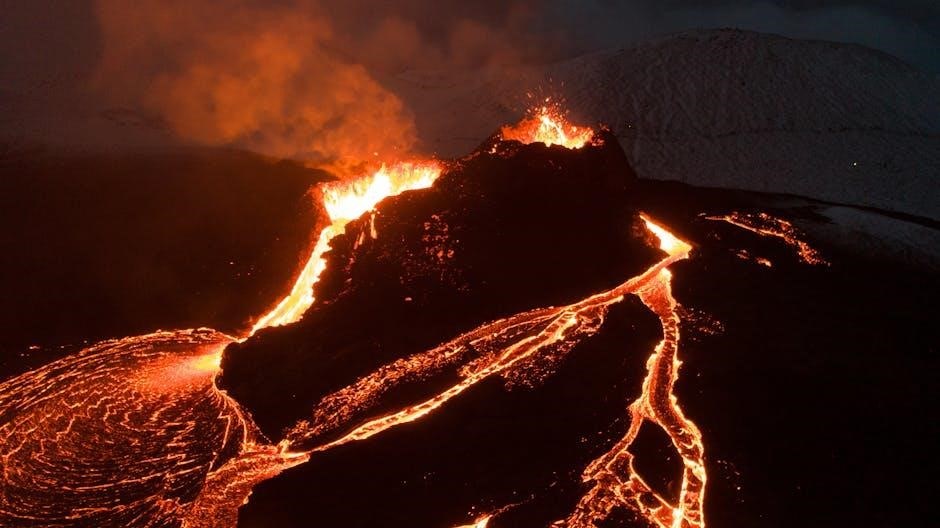
Lava lamps, while captivating, can sometimes encounter issues. A frequent problem is wax not flowing, often due to insufficient warm-up time or a cold environment – relocate and be patient!
Wax clumping at the bottom indicates overheating or an improper wax mixture. Cloudy liquid usually means contamination or age; avoid shaking and consider a wax replacement.
If the bulb isn’t lighting, check the power source and bulb connection. Always ensure the lamp is on a stable surface and avoid operating it with a damaged cord. Careful observation can restore the flow!
Wax Not Flowing
A common frustration is when the wax refuses to flow within your lava lamp. This often stems from insufficient warming; allow a longer initial warm-up period, potentially several hours, especially in cooler rooms.
Ensure the lamp is positioned away from drafts and direct sunlight, as temperature fluctuations hinder the process. Gently warming the base (avoid direct heat) can sometimes encourage movement.
If the issue persists, the bulb might be failing, or the wax formulation could be slightly off. Patience is key, and avoid forceful shaking, which can permanently damage the lamp’s internal structure.
Wax Clumping at the Bottom
Wax clumping at the bottom indicates a temperature imbalance or wax degradation. Often, this happens if the lamp hasn’t reached optimal operating temperature, or if it’s been disturbed before fully warmed.
Gentle, slow rotation can sometimes redistribute the wax, but avoid vigorous shaking. A failing bulb is a frequent culprit, providing insufficient heat to maintain fluidity.
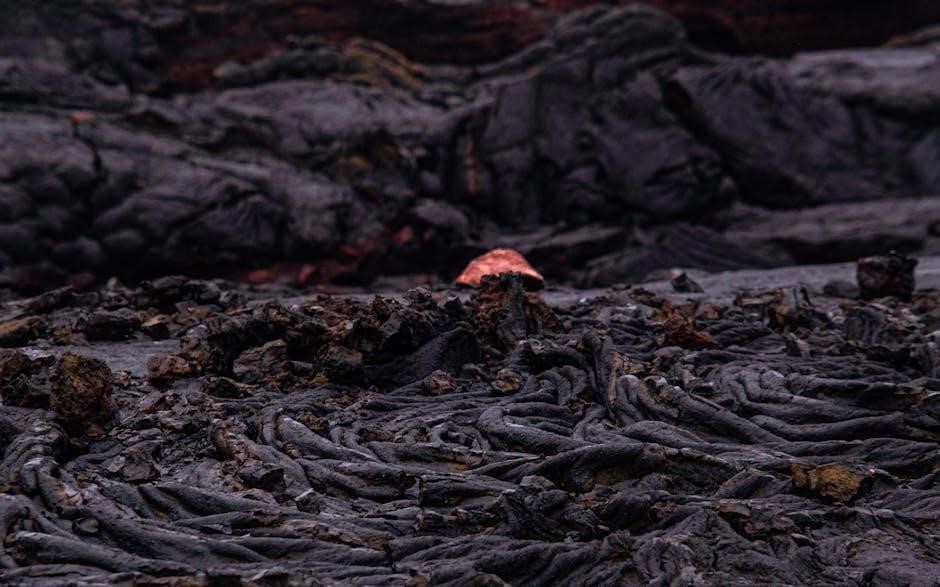
In some cases, the wax may have undergone a chemical change over time, becoming less pliable. While advanced users might consider wax replacement, this is a complex procedure best left to experts.
Cloudy Liquid
Cloudy liquid within a lava lamp usually signifies contamination or a chemical reaction. This can occur due to excessive shaking, introducing foreign particles, or simply the natural breakdown of the liquid over extended use.
Minor cloudiness is sometimes temporary, resolving as the lamp warms and the liquid redistributes. However, persistent cloudiness suggests a more significant issue.
Unfortunately, there’s limited recourse for severely cloudy liquid; attempting to clean or replace it is extremely difficult and risks damaging the lamp. Prevention—avoiding disturbance and handling with care—is key.
Bulb Not Lighting
A non-illuminating bulb is a common lava lamp issue, often with a simple solution. First, ensure the lamp is plugged into a functioning outlet and the switch is fully engaged.
Next, check the bulb itself. It may be burned out and require replacement with the correct wattage and voltage specified by the manufacturer. Carefully unscrew the old bulb and install a new one.
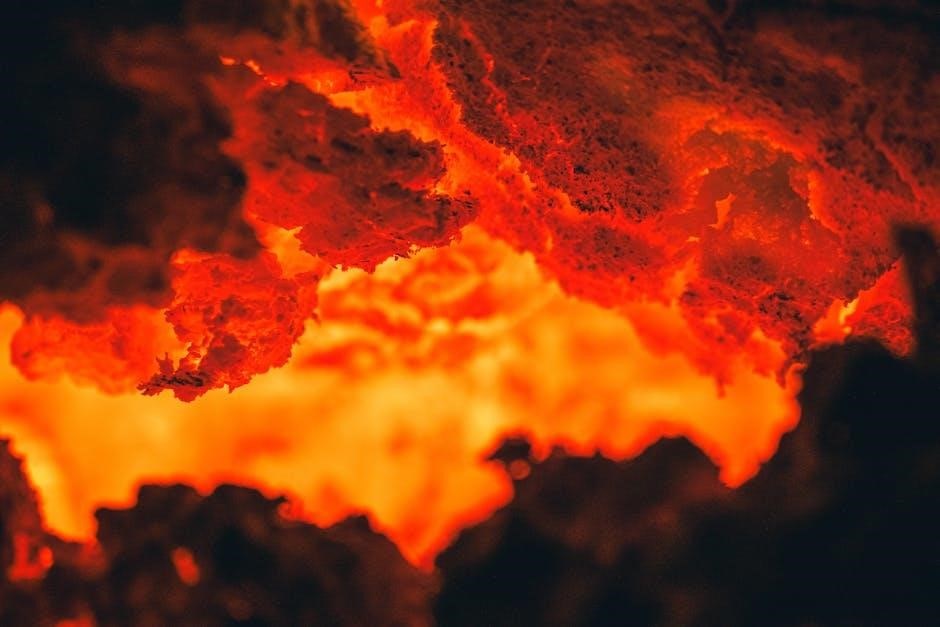
If the replacement bulb also fails to light, investigate the lamp’s internal wiring or the base’s socket for potential damage. Caution: electrical components require careful handling; consider professional assistance if unsure.
Lava Lamp Maintenance and Care
Regular maintenance ensures your lava lamp’s longevity and optimal performance. Gently cleaning the glass bottle with a soft cloth and mild glass cleaner removes dust and fingerprints, preserving clarity.
Bulb replacement is inevitable; always use the specified wattage to avoid overheating or insufficient flow. Advanced users might consider wax replacement, a complex process requiring careful heating and fluid balancing.
Avoid harsh chemicals or abrasive cleaners that could damage the glass or affect the wax mixture. Proper care extends the lamp’s life, maintaining its mesmerizing visual appeal for years to come.
Cleaning the Glass Bottle
Maintaining a clean glass bottle is crucial for optimal viewing. Dust and fingerprints diminish the lamp’s visual impact, obscuring the flowing wax. Use a soft, lint-free cloth dampened with a mild glass cleaner.
Avoid abrasive cleaners or scouring pads as they can scratch the glass, permanently damaging its clarity. Gently wipe the exterior surface in circular motions, ensuring complete coverage.
For stubborn residue, a slightly dampened microfiber cloth works wonders. Always ensure the lamp is cool and unplugged before cleaning, prioritizing safety and preventing potential damage.
Replacing the Bulb
Bulb replacement is a straightforward process, but safety is paramount. Always disconnect the lava lamp from the power source and allow it to cool completely before attempting any maintenance.
Identify the correct bulb type – typically a 40-watt incandescent or a compatible LED replacement. Gently unscrew the old bulb, being careful not to break it.
Screw in the new bulb securely, but avoid over-tightening. LED bulbs are energy-efficient and produce less heat, potentially extending the lamp’s lifespan. After replacement, observe the initial warm-up period before full operation.
Wax Replacement (Advanced)
Wax replacement is a complex undertaking best left to experienced users, as manufacturers guard their formulas closely. It requires complete disassembly and careful handling of potentially hot materials.
First, carefully drain the liquid and remove the old wax. New wax must be precisely formulated to achieve the correct density and flow characteristics. Improper mixtures can lead to poor performance or damage.
Reassemble the lamp meticulously, ensuring a tight seal to prevent leaks. This process is risky and may void any warranty. Consider professional assistance if you’re unsure about any step.
Safety Precautions When Using Lava Lamps
Lava lamps, while visually captivating, require careful handling. Avoiding overheating is paramount; never operate the lamp for extended periods without breaks, and ensure adequate ventilation. Electrical safety is crucial: always use a grounded outlet and inspect the cord for damage.
Never attempt to open the glass bottle during operation, as the contents are hot and could cause burns. If the lamp breaks, immediately unplug it and carefully clean up the glass and liquid, avoiding contact with skin and eyes. Dispose of materials responsibly.

Avoiding Overheating
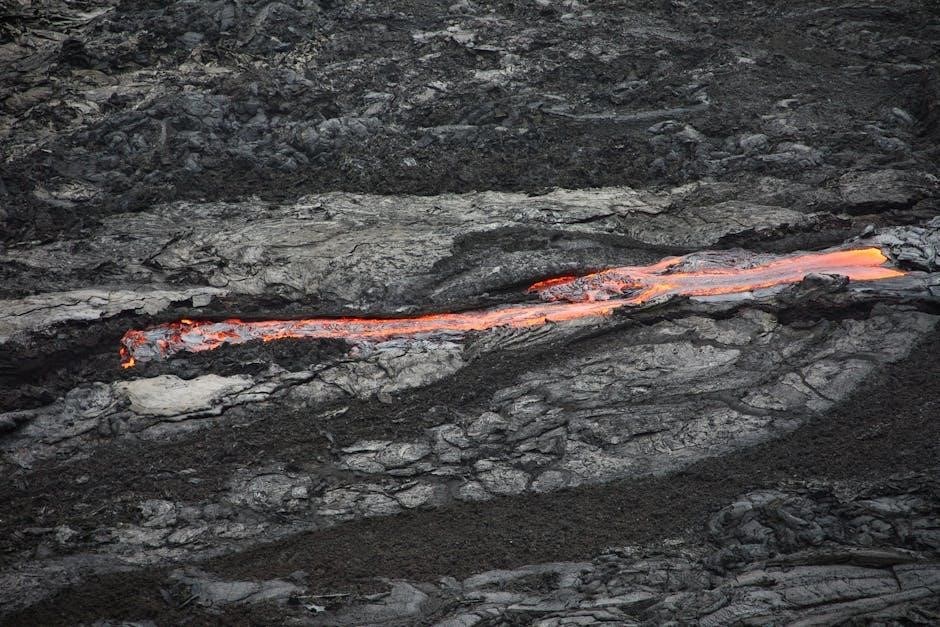
Prolonged operation can cause lava lamps to overheat, potentially damaging the lamp or creating a fire hazard; Limit continuous use to a reasonable timeframe, typically no more than 8-10 hours, and allow the lamp to cool down completely before restarting.
Ensure the lamp is placed on a stable, heat-resistant surface with sufficient airflow around it. Avoid enclosing the lamp in tight spaces or covering it with materials that could trap heat. Regularly check the base for excessive warmth; if it feels too hot to touch, unplug it immediately.
Electrical Safety
Lava lamps utilize electricity, demanding strict adherence to safety protocols. Always inspect the power cord for damage before each use, and never operate a lamp with a frayed or exposed wire. Ensure the lamp is plugged into a grounded outlet and avoid using extension cords whenever possible;
Never attempt to disassemble or repair the electrical components yourself; this should only be done by a qualified technician. Keep liquids away from the lamp to prevent electrical shock. Unplug the lamp before cleaning or performing any maintenance, and always ensure your hands are dry.
Handling a Broken Lava Lamp
If a lava lamp breaks, exercise extreme caution. The glass shards can be sharp, and the wax mixture can be hot and potentially hazardous. Immediately unplug the lamp from the power source to prevent further risk of electrical shock.
Wear gloves and eye protection while carefully cleaning up the broken glass and wax. Avoid direct contact with the wax, as its composition is often proprietary and may cause skin irritation. Dispose of the broken pieces responsibly, following local regulations for glass and chemical waste. Do not attempt to salvage or reuse any components.
The preciseRF HG3 Stepper Mag Loop and Lava Lamp Connection (Unexpected!)
An intriguing parallel exists between the preciseRF HG3 stepper mag loop antenna and lava lamp heat control. The HG3 utilizes a stepper motor for precise tuning, mirroring the controlled heating element within a lava lamp that dictates wax flow.
Remote tuning capabilities of the HG3 (Express, Pro, and QRO models) evoke the desire for automated lava lamp operation. The HG3 Plus controller offers potential for integration, allowing for remote adjustments. Magnetic loop antennas, known for stability, surprisingly relate to maintaining consistent lava lamp performance through controlled thermal conditions.
HG3 EXPRESS, PRO, and QRO Models Explained
The preciseRF HG3 antenna series offers three distinct models: EXPRESS, PRO, and QRO, each catering to different needs. The HG3 EXPRESS serves as an entry point, while the PRO model delivers enhanced performance and features. Built to order, these premium magnetic loop antennas (MLAs) provide advantages over traditional wire antennas.
The QRO model, capable of handling 1.5 KW, is designed for high-power applications. All models utilize a proven stepper motor design for accurate and repeatable tuning. The HG3 Plus controller is now standard, offering both RJ45 connectivity and expanded control options for amateur and HF operators.
Stepper Motor Tuning and Lava Lamp Heat Control Analogy
Interestingly, a parallel can be drawn between the precise stepper motor tuning of the HG3 antenna and the heat control within a lava lamp. Both rely on carefully regulated energy input to achieve optimal performance. The stepper motor makes minute adjustments, much like the bulb’s heat subtly alters wax density and flow.
Precise control is key; too little energy and the wax remains static, mirroring insufficient tuning for signal reception. Too much, and overheating occurs, analogous to a loss of antenna efficiency. This analogy highlights the importance of accurate, repeatable control in both systems, ensuring stability and responsiveness.
Remote Tuning Capabilities and Lava Lamp Automation Potential
The remote tuning features of the preciseRF HG3 antenna controller open intriguing possibilities for lava lamp automation. Imagine controlling lamp brightness or even initiating flow patterns remotely, mirroring the antenna’s band selection and tuning adjustments. This could be achieved through integration with smart home systems, allowing scheduled operation or response to environmental cues.
The HG3’s capabilities demonstrate the potential for sophisticated control, extending beyond radio frequency applications. Exploring this intersection could lead to innovative lighting solutions, blending the nostalgic charm of lava lamps with modern automation technology, offering a unique user experience.
The Role of the HG3 Plus Controller
The HG3 Plus controller represents a significant advancement in preciseRF’s magnetic loop antenna technology, now standard for the EXPRESS, PRO, and QRO-B models. Its integration showcases a robust and reliable control system, utilizing an RJ45 connector for enhanced connectivity and data transmission. This controller isn’t merely for antenna adjustments; it embodies a level of precision and repeatability applicable to other systems.
Considering the lava lamp analogy, the HG3 Plus could potentially manage heating element control with similar accuracy, ensuring optimal wax flow and temperature regulation. Its sophisticated design hints at possibilities beyond radio, suggesting a broader application in automated environmental control.
Advantages of Magnetic Loop Antennas (and their relevance to Lava Lamp stability)
Magnetic loop antennas (MLAs) offer distinct advantages, including directionality and reduced noise pickup, making them ideal for challenging radio environments. This inherent stability, achieved through precise tuning, mirrors the delicate balance required for optimal lava lamp operation. Just as an MLA requires careful adjustment, a lava lamp needs consistent heat to maintain its mesmerizing flow.
The precise tuning of an MLA minimizes interference, akin to ensuring a lava lamp’s wax doesn’t clump or overheat. Both systems benefit from controlled energy input, highlighting a surprising parallel between radio technology and retro lighting.