Life Below Zero Episode Guide: Comprehensive Overview (Updated 04/21/2026)
This guide details the journeys of individuals navigating Alaskan bush living, showcasing survival skills, community reliance, and the challenges of isolation.
Explore episodes from Season 1 through 10,
including insights into hunting, shelter building, and wildlife encounters.
Updated as of today, 04/21/2026 06:17:09,
this resource offers a comprehensive overview of the series.
Season 1 of Life Below Zero plunges viewers into the raw, unforgiving world of Alaska’s interior, introducing the core cast as they begin their annual struggle for survival; The initial episodes meticulously document the preparations for the long winter – a critical phase involving frantic resource gathering, shelter fortification, and stocking up on essential supplies.
We meet Chip and Agnes Hailstone, deeply rooted in traditional Iñupiat ways, demonstrating their expertise in hunting caribou and utilizing every part of the animal. Sue Aikens, a seasoned bush pilot and businesswoman, establishes her resilience as she manages her remote trading post. Glenn Villeneuve, a fiercely independent homesteader, showcases his self-reliance and unconventional lifestyle.
Early challenges include navigating treacherous terrain, facing unpredictable weather patterns, and mastering the art of subsistence hunting and fishing. The season highlights the sheer physical and mental fortitude required to thrive in such a harsh environment, laying the foundation for the ongoing narratives of adaptation and perseverance that define the series. It’s a compelling introduction to a life lived on the edge.
Season 2: Facing the Harsh Realities
Season 2 intensifies the challenges presented in the inaugural season, exposing the vulnerabilities of those attempting to carve out a life in the Alaskan bush. The initial optimism of self-sufficiency begins to fray as the cast confronts the brutal realities of prolonged isolation and dwindling resources.
Episodes delve deeper into the psychological toll of the extreme environment, showcasing the mental and emotional resilience required to combat loneliness and despair. Chip and Agnes Hailstone face difficulties securing a sufficient caribou harvest, threatening their winter provisions. Sue Aikens grapples with logistical nightmares in maintaining her trading post amidst severe weather conditions. Glenn Villeneuve contends with equipment failures and the constant threat of wildlife encounters.
This season emphasizes the critical importance of community support, as individuals reluctantly rely on one another for assistance. The dangers of wildlife, particularly bears and wolves, become increasingly prominent, highlighting the ever-present risk of life-threatening confrontations. It’s a stark portrayal of survival against overwhelming odds.
Season 3: Adapting and Surviving
Season 3 showcases the cast’s evolving strategies for long-term survival, demonstrating a heightened level of adaptation to the unforgiving Alaskan landscape. Having weathered initial hardships, individuals refine their skills and implement innovative solutions to overcome recurring challenges.
Episodes highlight the importance of resourcefulness, with homesteaders focusing on sustainable practices like trapping, fishing, and preserving food for the lean winter months. Sue Aikens expands her trading post operations, becoming a vital lifeline for remote communities. Glenn Villeneuve experiments with alternative energy sources to reduce his reliance on costly fuel deliveries. Chip and Agnes Hailstone continue to uphold traditional methods, passing down invaluable knowledge to future generations.
The season explores the delicate balance between independence and interdependence, as individuals learn to collaborate while maintaining their self-reliant spirit. The constant threat of wildlife encounters necessitates vigilance and preparedness. It’s a testament to the human capacity to endure and thrive in the face of adversity.
Season 4: New Challenges and Old Struggles
Season 4 presents a compelling mix of familiar hardships and unforeseen obstacles, testing the resilience of the Alaskan bush dwellers. Established homesteaders grapple with escalating costs of living and unpredictable weather patterns, while newcomers face a steep learning curve.
Episodes delve into the complexities of maintaining a sustainable lifestyle, showcasing the constant need for repairs, resource management, and innovative problem-solving. Glenn Villeneuve confronts mechanical failures that threaten his ability to access vital supplies. Sue Aikens navigates logistical challenges in keeping her trading post stocked during severe storms. Chip and Agnes Hailstone face difficulties in securing adequate provisions for their family.
The season also introduces fresh dynamics within the community, as individuals forge new alliances and navigate interpersonal conflicts. The enduring theme of self-reliance is underscored, alongside the recognition that mutual support is often essential for survival. It’s a raw and honest portrayal of life on the edge.
Season 5: Expanding the Community
Season 5 marks a significant shift as the series broadens its scope, introducing new individuals and families to the Alaskan bush. This expansion allows for a more diverse exploration of lifestyles and survival strategies. Viewers witness the challenges faced by those attempting to establish themselves in this unforgiving environment, alongside the established homesteaders.
Newcomers bring unique skills and perspectives, creating both opportunities for collaboration and potential conflicts. Episodes highlight the importance of adapting to the local ecosystem and learning from experienced residents. Ashley and Eivin Ruud continue to build their family homestead, facing the demands of raising children in a remote setting.
The season emphasizes the interconnectedness of the community, demonstrating how individuals rely on each other for support, trade, and companionship. Despite the isolation, a sense of camaraderie prevails, showcasing the human spirit’s capacity for resilience and cooperation. It’s a testament to the enduring power of community in the face of adversity.
Season 6: The Impact of Isolation
Season 6 delves deeply into the psychological and emotional toll of prolonged isolation in the Alaskan bush. While self-reliance is crucial, the series portrays the challenges of maintaining mental and emotional well-being when cut off from conventional society. Episodes explore the loneliness, anxiety, and depression that can accompany a solitary lifestyle.
Characters grapple with the lack of social interaction and the constant pressure to overcome obstacles independently. Glenn Villeneuve’s independent homesteading is particularly highlighted, showcasing the difficulties of self-sufficiency. Sue Aikens, a veteran bushwoman, demonstrates coping mechanisms developed over years of experience.
The season underscores the importance of finding purpose and connection even in the most remote settings. Hunting and fishing, while essential for survival, also provide a sense of accomplishment and connection to the natural world. The series emphasizes the resilience of the human spirit and the ability to adapt to extreme circumstances, but doesn’t shy away from the darker aspects of isolation.
Season 7: Resilience in the Face of Adversity
Season 7 of Life Below Zero showcases the remarkable ability of its subjects to bounce back from setbacks and overcome seemingly insurmountable challenges. This season emphasizes the unpredictable nature of Alaskan bush life, where weather, wildlife, and equipment failures can threaten survival at any moment. Episodes detail harrowing experiences and the ingenuity required to persevere.
The Hailstone family’s traditional lifestyle is tested by harsh conditions and logistical difficulties. Jessie Holmes, the skilled hunter and trapper, faces particularly dangerous situations while pursuing vital resources. Ashley and Eivin Ruud demonstrate their commitment to family and self-sufficiency amidst adversity.
The season highlights the importance of preparation, resourcefulness, and a positive mindset in the face of hardship. Community support, though often limited, proves crucial in times of need. Life Below Zero doesn’t romanticize the bush lifestyle; it portrays the raw reality of survival and the unwavering resilience of those who choose to live it.
Season 8: Modern Life in a Primitive Setting
Season 8 of Life Below Zero explores the fascinating juxtaposition of modern technology and traditional bushcraft, revealing how Alaskans blend the old and the new to survive. While embracing self-sufficiency, many individuals rely on snowmobiles, satellite communication, and other modern conveniences to navigate the challenges of their environment.
Glenn Villeneuve, the independent homesteader, continues to demonstrate his resourcefulness, often utilizing both traditional skills and modern tools. Sue Aikens, the veteran bushwoman, balances her extensive experience with contemporary methods for maximizing efficiency. The Ruud family showcases how they integrate modern education for their children with a rugged, outdoor lifestyle.
This season delves into the complexities of maintaining a connection to the outside world while living in remote isolation. The series examines the benefits and drawbacks of technology in a setting where self-reliance is paramount. Life Below Zero illustrates that survival in Alaska isn’t about rejecting modernity, but about adapting it to a primitive landscape.
Season 9: The Next Generation
Season 9 of Life Below Zero shifts focus to the children and young adults growing up in the Alaskan bush, showcasing their unique perspectives and challenges. This season explores how the next generation is learning the skills necessary for survival, while also forging their own paths in a rapidly changing world.
The Ruud family’s children take on increasing responsibilities on the homestead, demonstrating their growing competence in hunting, fishing, and maintaining their self-sufficient lifestyle. Newcomers are introduced, representing a fresh wave of individuals choosing to embrace the Alaskan bush. The series examines the pressures faced by young people torn between tradition and modernity.
Life Below Zero highlights the importance of passing down knowledge and skills from one generation to the next. The season delves into the educational challenges of raising children in remote areas, and the innovative solutions families employ. Ultimately, Season 9 is a testament to the resilience and adaptability of those who call the Alaskan wilderness home.
Season 10: Continuing the Legacy
Season 10 of Life Below Zero delves deeper into the long-term sustainability of life in the Alaskan bush, examining how established families are adapting to evolving environmental conditions and economic pressures. The season emphasizes the enduring spirit of those committed to preserving a traditional way of life.
Returning favorites like Sue Aikens, Chip and Agnes Hailstone, and Jessie Holmes face new hurdles, including unpredictable weather patterns and fluctuating resource availability. The series showcases innovative approaches to homesteading, such as utilizing renewable energy sources and implementing sustainable hunting practices. We see the impact of outside influences, like tourism and technological advancements, on the remote communities.
Life Below Zero explores the delicate balance between honoring ancestral traditions and embracing modern solutions. The season highlights the importance of community collaboration and mutual support in overcoming adversity. Ultimately, Season 10 is a powerful reminder of the enduring human connection to the land and the unwavering determination to thrive in the face of challenges.
Key Individuals & Their Story Arcs
This section profiles central figures in Life Below Zero, detailing their unique journeys and struggles for survival. Explore Sue Aikens’ expertise,
the Hailstones’ traditions, and Glenn Villeneuve’s independence.

Sue Aikens: The Veteran Bushwoman
Sue Aikens stands as a pillar of experience and resilience in the Alaskan wilderness. Her story, consistently featured throughout Life Below Zero, showcases decades spent mastering bush living. Initially operating the Kavik River Camp, Sue’s expertise in remote operations and resourcefulness quickly established her as a vital figure.
Early seasons highlighted her challenges in maintaining the camp and providing for herself amidst harsh conditions. Viewers witnessed her adeptness at hunting, trapping, and navigating the unpredictable Alaskan landscape. Sue’s independent spirit and pragmatic approach to survival became defining characteristics.
Later episodes explored her evolving role, including ventures beyond the camp and collaborations with other homesteaders. Despite facing personal hardships and logistical difficulties, Sue consistently demonstrated unwavering determination. Her story arc emphasizes the importance of adaptability and self-reliance in the face of extreme adversity. Sue’s knowledge and grit continue to inspire, solidifying her legacy as a true veteran of the Alaskan bush.
Chip & Agnes Hailstone: The Traditional Lifestyle
Chip and Agnes Hailstone embody a commitment to traditional Alaskan living, deeply rooted in the practices of their ancestors. Their story on Life Below Zero centers around preserving a subsistence lifestyle, heavily reliant on hunting, fishing, and trapping for survival. The Hailstones’ dedication to their cultural heritage sets them apart.
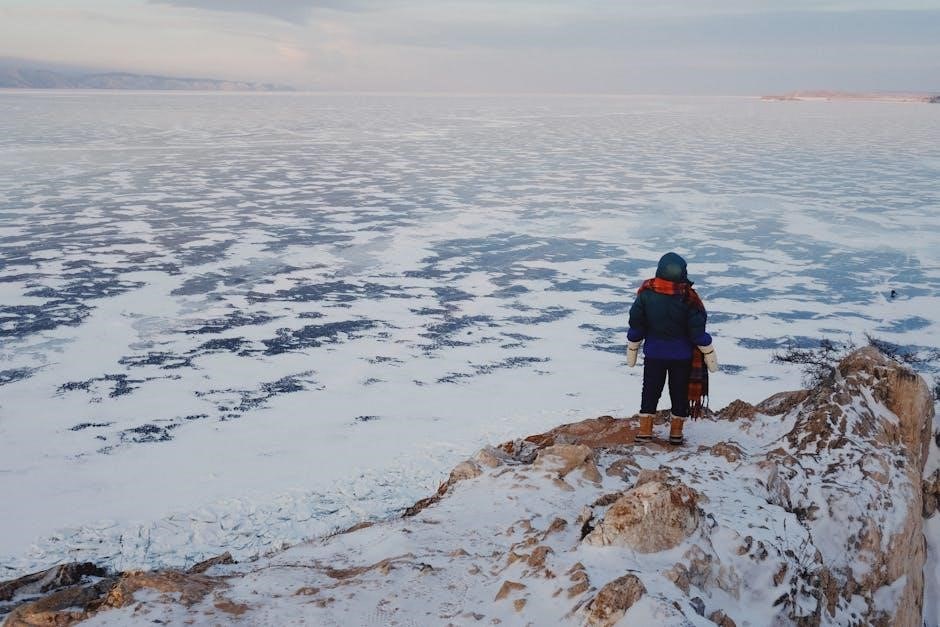
Early seasons showcased their rigorous preparation for winter, including stockpiling food and maintaining their remote homestead. Viewers observed their intricate knowledge of the land and their skillful use of traditional tools and techniques. Their family dynamic, built on cooperation and shared responsibility, was a central theme.
Subsequent episodes documented the challenges of balancing tradition with modern realities, such as fluctuating resource availability and the demands of raising a family in a remote environment. Despite hardships, Chip and Agnes consistently prioritized their cultural values and the well-being of their children. Their unwavering commitment to their way of life offers a compelling glimpse into the enduring spirit of Alaska’s indigenous communities.
Glenn Villeneuve: The Independent Homesteader
Glenn Villeneuve represents the archetype of the self-reliant Alaskan homesteader, fiercely independent and resourceful. His narrative on Life Below Zero highlights the challenges and rewards of building a life from scratch in the wilderness. Glenn’s initial seasons focused on establishing his off-grid homestead and mastering the skills necessary for survival.
Viewers witnessed his impressive bushcraft abilities, including constructing shelter, procuring food through hunting and fishing, and navigating the harsh Alaskan terrain. Glenn’s solitary lifestyle and pragmatic approach to problem-solving were defining characteristics. He often faced logistical hurdles and unpredictable weather conditions with remarkable resilience.
Later episodes explored Glenn’s evolving relationships and his attempts to balance independence with connection, including his pursuit of companionship and his interactions with other homesteaders. Despite facing personal setbacks, Glenn remained dedicated to his chosen lifestyle, demonstrating the enduring appeal of self-sufficiency and the allure of the Alaskan wilderness.
Jessie Holmes: The Hunter and Trapper
Jessie Holmes embodies the traditional Alaskan lifestyle of a hunter and trapper, showcasing a deep connection to the land and its resources. His story on Life Below Zero centers around his expertise in procuring food and supplies through traditional methods, often relying on his dog team for transportation and assistance.
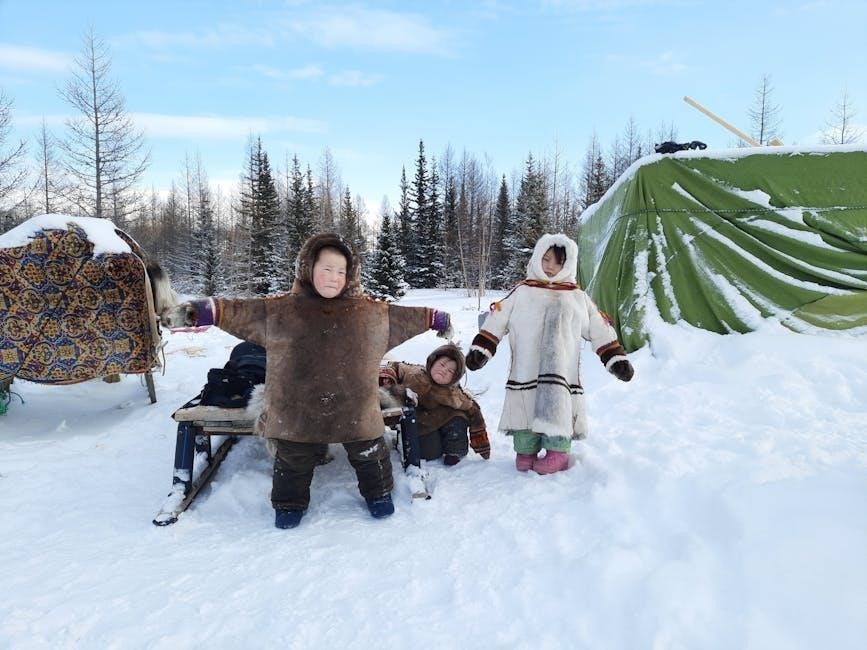
Early seasons highlighted Jessie’s exceptional skills in tracking, trapping, and hunting various game animals, demonstrating a profound understanding of wildlife behavior and the Alaskan ecosystem. He frequently faced the dangers of the wilderness, navigating treacherous terrain and unpredictable weather conditions while pursuing his livelihood.
As the series progressed, Jessie’s narrative expanded to include his efforts to preserve traditional knowledge and share his skills with others, fostering a sense of community and cultural continuity. He also navigated personal challenges, including financial difficulties and the logistical complexities of remote living, always maintaining his commitment to the hunting and trapping lifestyle.
Ashley & Eivin Ruud: The Family Homestead
Ashley and Eivin Ruud represent the challenges and rewards of building a family life in the Alaskan bush, establishing a self-sufficient homestead and raising their children amidst the harsh realities of the wilderness. Their story on Life Below Zero emphasizes the importance of family collaboration and resilience.
Early seasons showcased the couple’s initial struggles to establish their homestead, including constructing shelter, securing food sources, and adapting to the isolation of their remote location. They demonstrated resourcefulness in utilizing available materials and developing innovative solutions to overcome obstacles.
As their family grew, the Ruuds’ narrative expanded to encompass the complexities of homeschooling and raising children in a remote environment, balancing the demands of homesteading with the responsibilities of parenthood. They consistently highlighted the value of community support and the importance of preserving a traditional lifestyle for future generations, facing adversity with unwavering determination.
Recurring Themes & Challenges
The series consistently portrays the struggle for survival, focusing on hunting, shelter, and wildlife dangers. Mental fortitude and community bonds are vital,
highlighting the emotional toll and the necessity of mutual support in isolation.
Hunting and Fishing for Survival
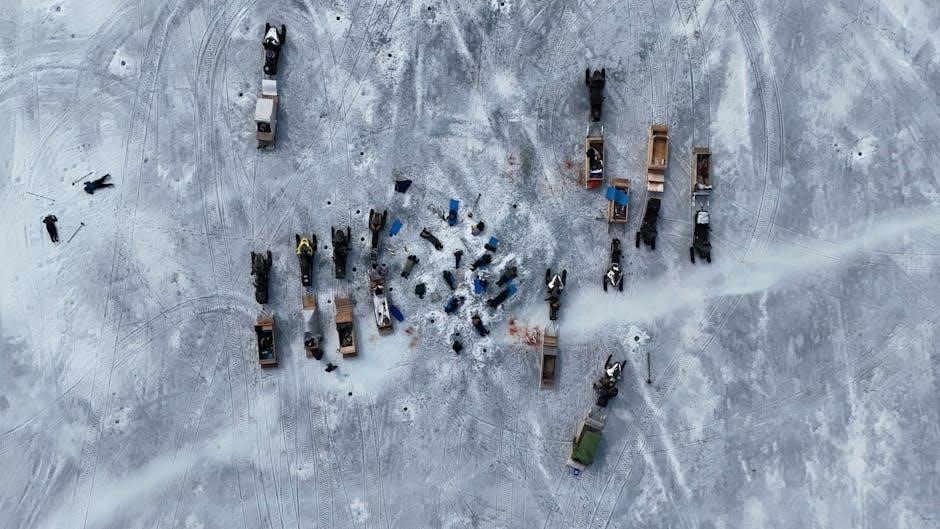
A cornerstone of life in the Alaskan bush, hunting and fishing are depicted as essential for sustenance in Life Below Zero. Episodes frequently showcase the arduous process of securing food, from tracking caribou and moose to ice fishing for vital protein sources.
Success isn’t guaranteed, and failures can have dire consequences, forcing individuals to adapt and innovate. Viewers witness the skill and knowledge required to navigate the harsh terrain and unpredictable weather conditions. The show emphasizes the deep respect these individuals hold for the animals they harvest, acknowledging the delicate balance of the ecosystem.
Beyond simply obtaining food, hunting and fishing represent a connection to tradition and a vital link to the land. The series illustrates the importance of preserving these skills for future generations, particularly as modern conveniences become scarce. Challenges include equipment malfunctions, dwindling animal populations, and the constant threat of dangerous wildlife encounters during hunts. These pursuits are not merely recreational; they are a matter of life and death.
Building and Maintaining Shelter
Securing adequate shelter is paramount in the unforgiving Alaskan wilderness, a recurring theme throughout Life Below Zero. Episodes detail the construction and upkeep of cabins, often built from scratch using limited resources and relying heavily on ingenuity and physical labor.
Viewers witness the challenges of insulating against extreme cold, repairing damage from harsh weather, and maintaining essential systems like wood stoves for heating. The show highlights the resourcefulness of the individuals, who often repurpose salvaged materials and employ traditional building techniques.
Shelter isn’t just about protection from the elements; it represents a sense of security and a base of operations for survival. Maintaining a functional shelter demands constant effort, from chopping wood to clearing snow. Episodes often feature emergency repairs necessitated by storms or structural failures. The series underscores the importance of self-reliance and the ability to adapt to unforeseen circumstances when it comes to creating and preserving a safe haven.
The Dangers of Wildlife Encounters
The Alaskan bush presents constant threats from its diverse and powerful wildlife, a central element of tension in Life Below Zero. Episodes frequently showcase encounters with bears – both brown and black – wolves, moose, and other potentially dangerous animals.
Survival hinges on respecting wildlife and understanding their behavior, as well as possessing the skills and tools for defense. Viewers witness the protagonists employing preventative measures like securing food sources, maintaining situational awareness, and carrying firearms.
The show doesn’t shy away from depicting the consequences of misjudgment or carelessness, highlighting the potential for serious injury or even death. Episodes often feature tense standoffs and harrowing escapes. The series emphasizes the delicate balance between coexisting with wildlife and protecting oneself and one’s livelihood. It’s a stark reminder of the raw power of nature and the risks inherent in living off the land.
The Importance of Community Support
Despite the often-isolated existence depicted in Life Below Zero, community support emerges as a crucial element for survival. While self-reliance is paramount, the show consistently demonstrates that Alaskans depend on each other during times of need.
Episodes frequently showcase instances of neighbors assisting with tasks like building, hunting, or providing essential supplies. This mutual aid is particularly vital during harsh weather conditions or emergencies where individual resources are stretched thin.
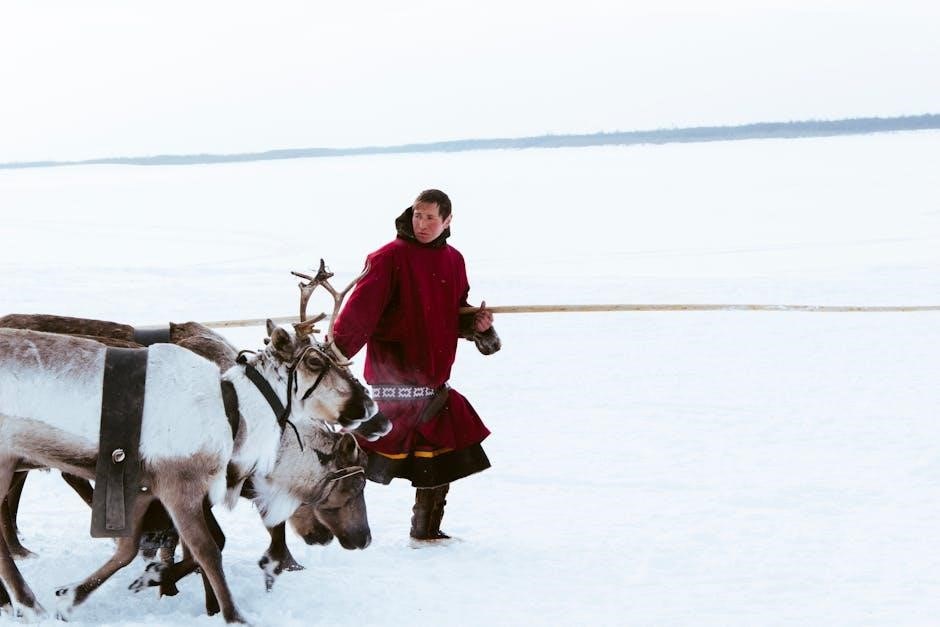
The series highlights the importance of shared knowledge and skills, with experienced bush dwellers mentoring newcomers. Trading and bartering are also common practices, fostering a sense of interdependence. Though personalities clash, a common thread of resilience and a willingness to help one another binds the community together. Ultimately, Life Below Zero illustrates that even in the most remote settings, human connection is essential for thriving.
Mental and Emotional Resilience
Life Below Zero doesn’t shy away from portraying the significant mental and emotional toll of Alaskan bush living. Beyond the physical challenges, the isolation, unpredictable environment, and constant struggle for survival demand immense inner strength.
Episodes reveal the psychological impact of prolonged solitude, particularly during the long, dark winters. Individuals grapple with loneliness, anxiety, and the weight of responsibility. The show demonstrates how crucial it is to maintain a positive outlook and find coping mechanisms.
Characters exhibit varying degrees of resilience, some relying on established routines, others on spiritual practices, and still others on a determined refusal to succumb to despair; The series subtly underscores the importance of mental fortitude in overcoming adversity. It’s not merely about surviving the elements, but about preserving one’s spirit in the face of unrelenting hardship.